

"I learnt to find joy in the simplicity of everyday life."
-Vickie Meir
SEEN
The Woman who Learned to slow down
Featuring Vickie Meir
There is a pause before Vickie answers the first question.
She closes her eyes for a moment, takes a slow breath, and gives herself time to think.
Not because she doesn't know the answer.
Because she wants to answer honestly.
It becomes a quiet rhythm throughout our conversation. Every answer begins with reflection.
When we first met over Zoom a few weeks earlier, I noticed the same quality. Vickie listened with care. She never rushed to fill silence or searched for impressive words. She simply allowed herself time before speaking. Meeting her in person felt exactly the same. Calm. Present. Entirely herself.
Before the first portrait is made, Vickie has already given the day the attention it deserves.
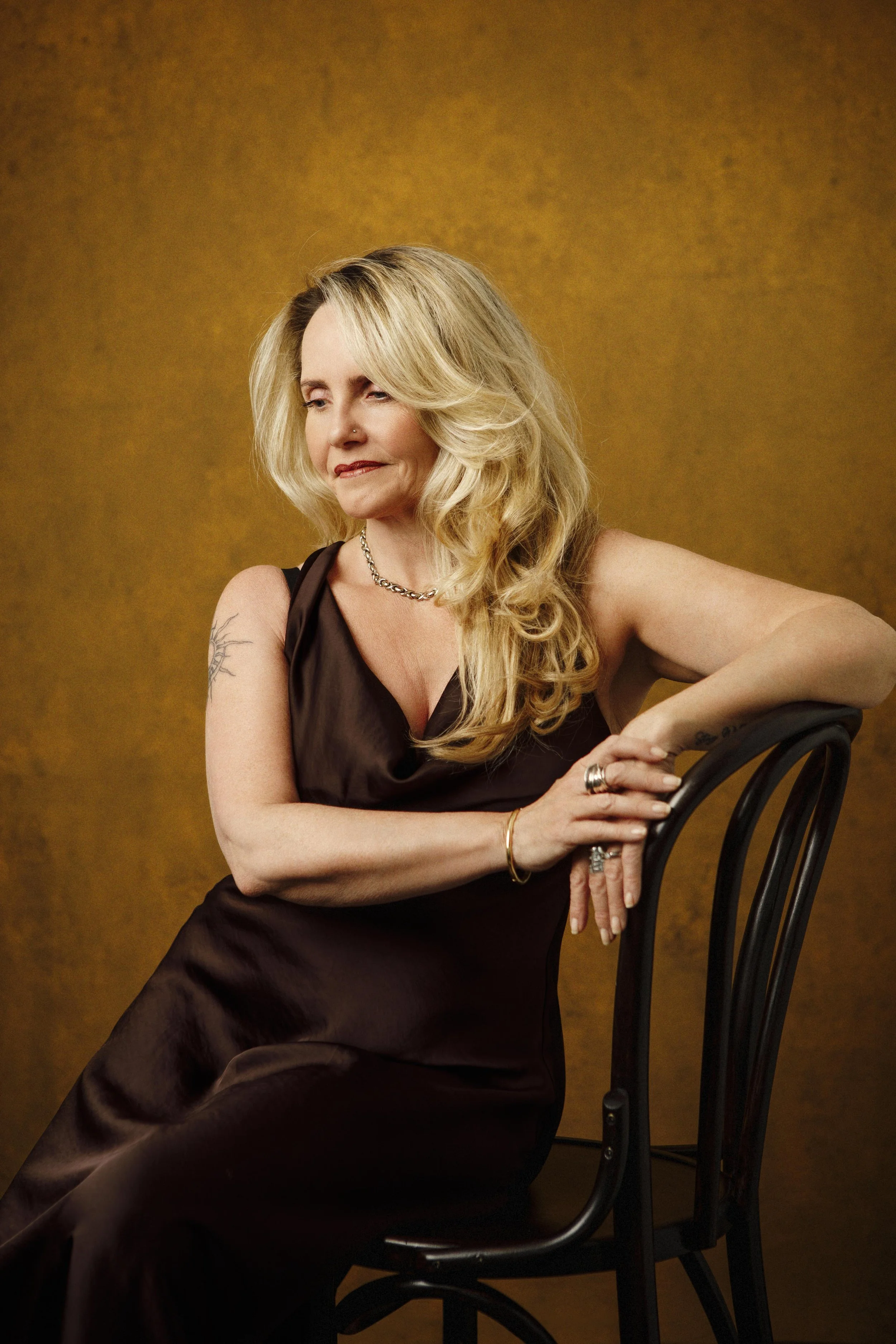
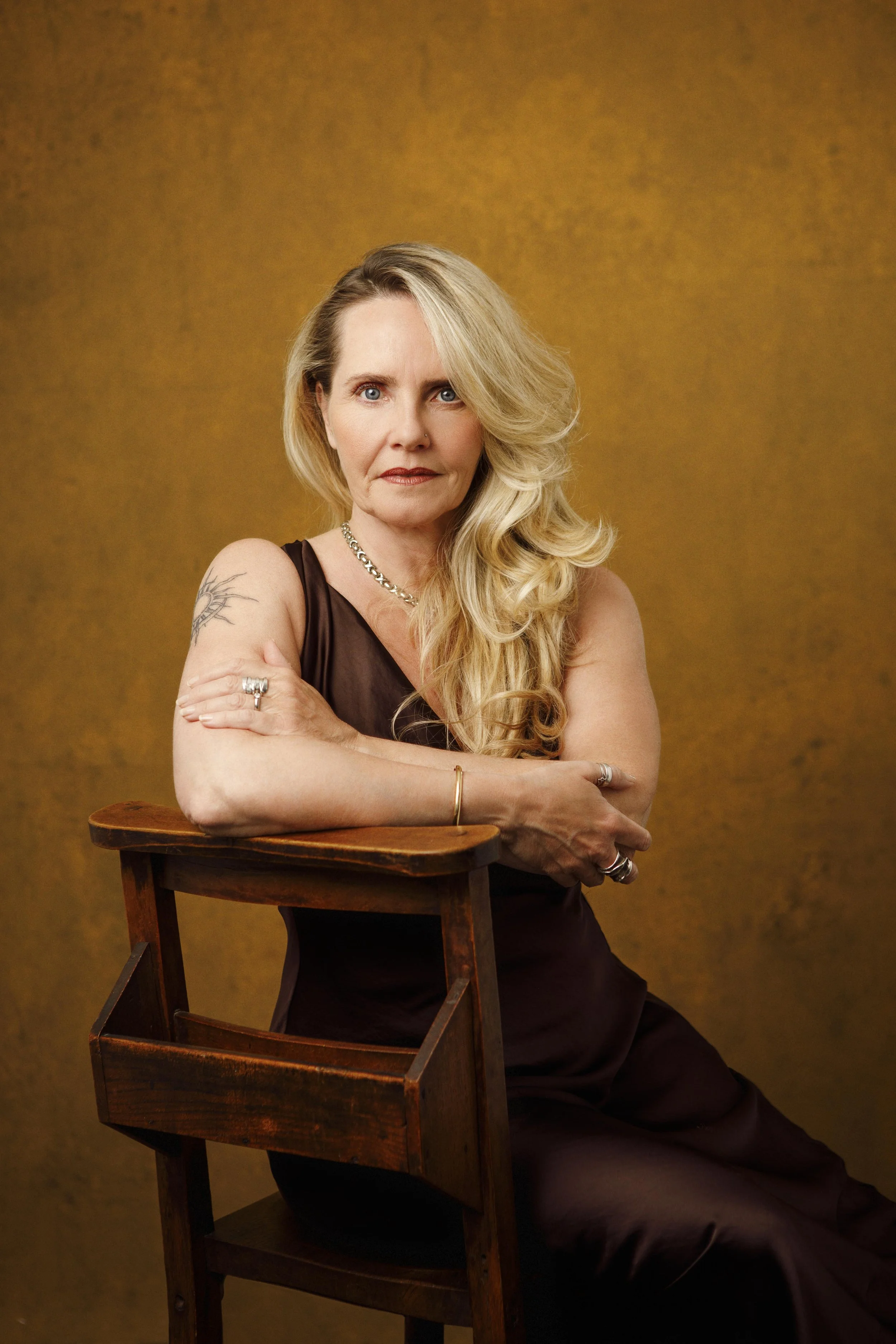
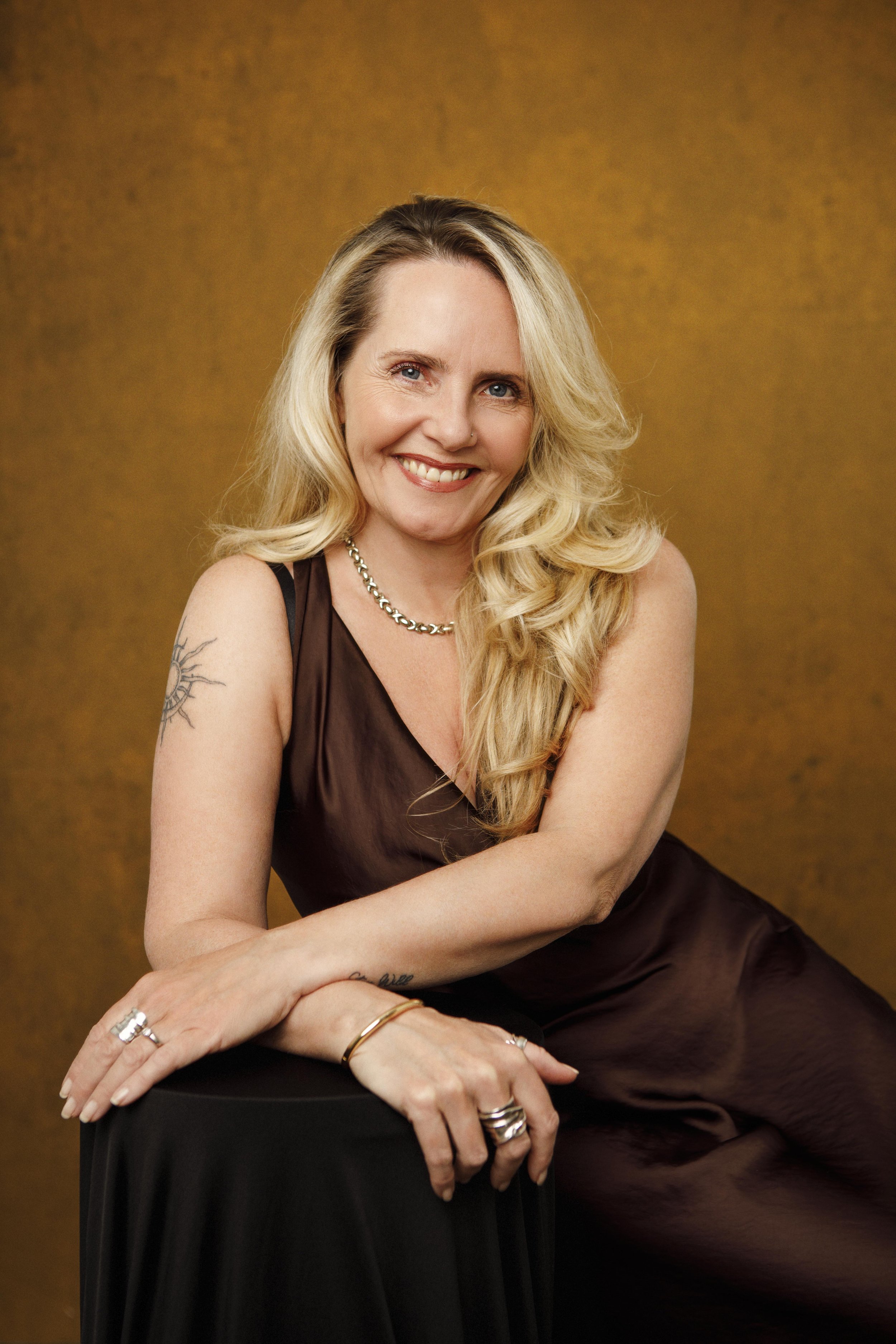
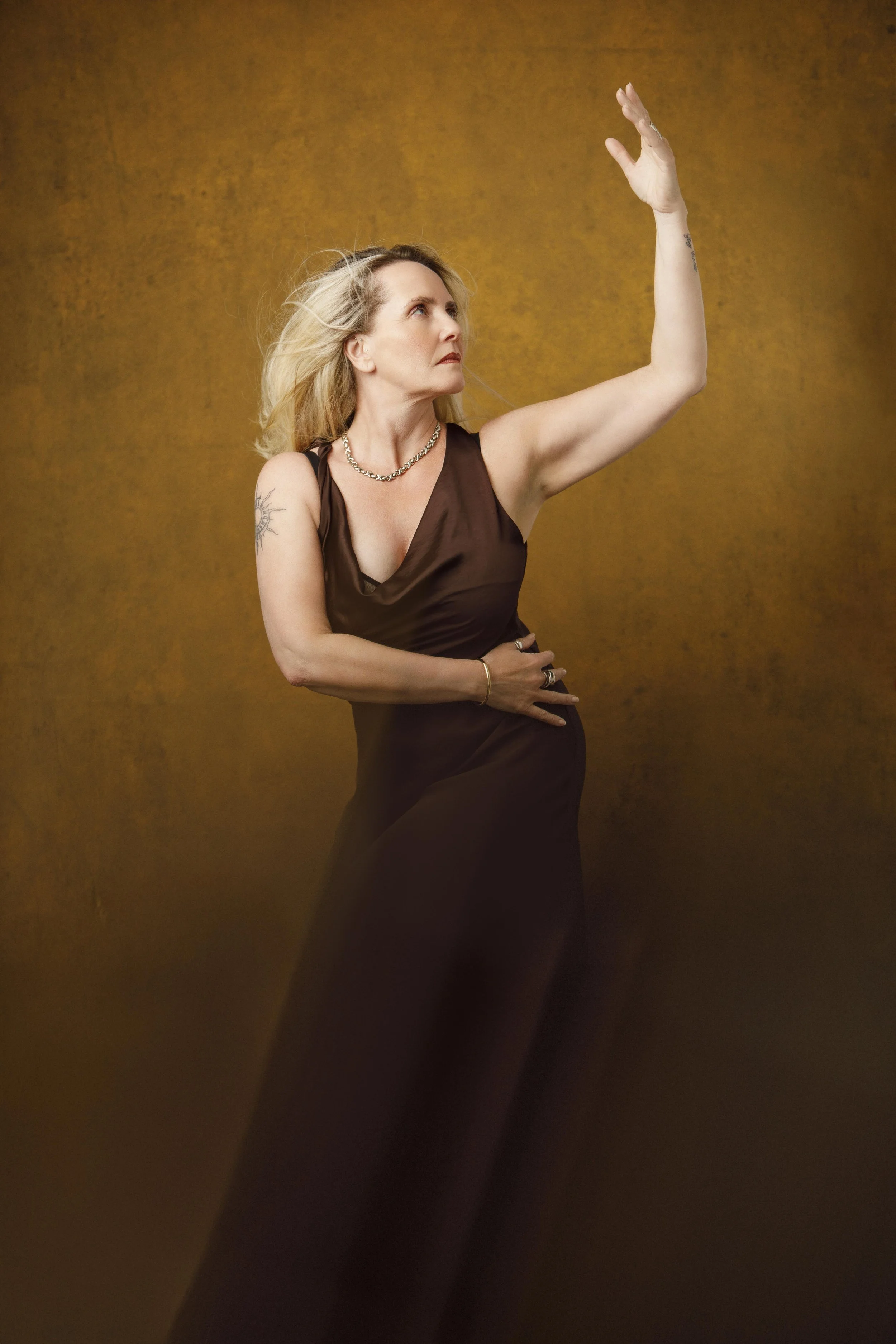
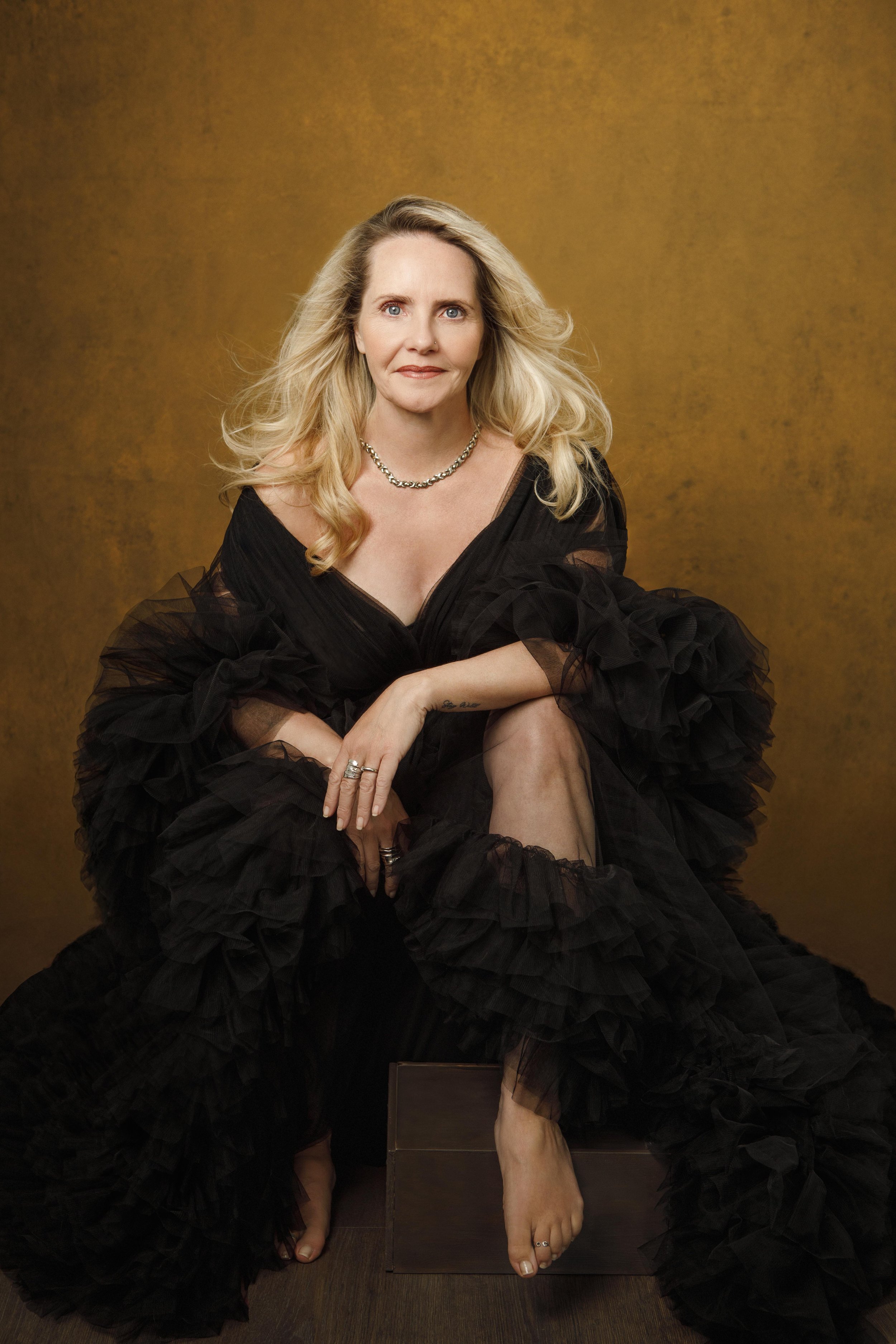
Her hair has been softly styled, her jewellery chosen with care, and she wears a chocolate silk dress that catches the light as she moves.
Later, she tells me that everyday life is much simpler. Most days there is little makeup, and her hair is left exactly as it falls.
Today's preparation isn't about changing who she is.
It is about recognising that some moments deserve to be marked.
Portraits are one of them.
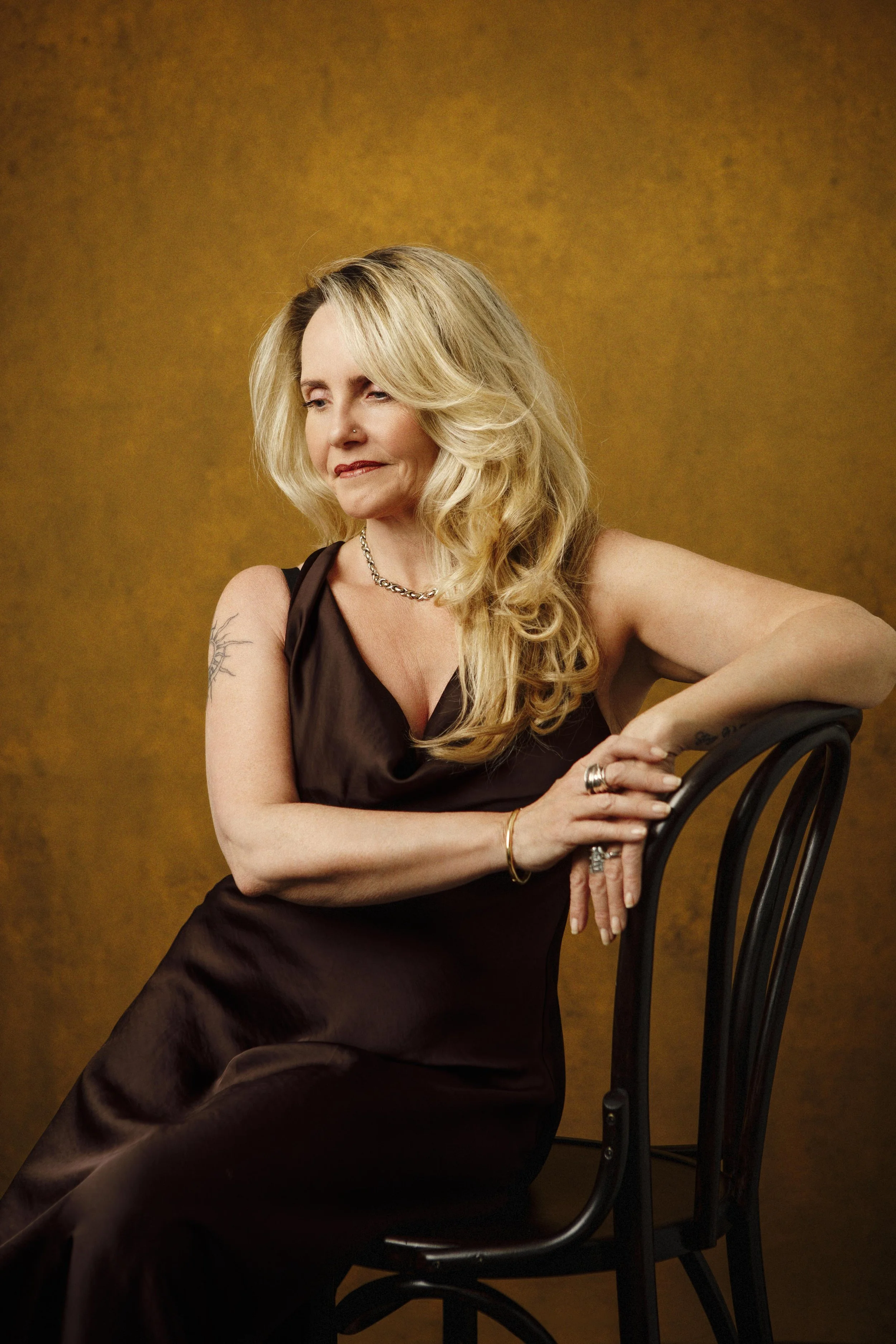
For much of her adult life, Vickie balanced a demanding corporate career while raising two children.
From the outside, life appeared settled.
Yet somewhere along the way, she realised she had become disconnected from herself.
"I was completely disconnected from my body, my intuition and had no direction. I didn't know what lit me up anymore.”
She doesn't describe this as a defining moment.
Instead, she speaks about a series of quieter discoveries.
A coaching course.
Learning to listen more carefully.
Movement.
Nature.
Time.
Each one leading, almost unnoticed, towards the next.
Today, she is developing her work in mind-body coaching, continuing to study approaches that bring together movement, awareness and personal growth. It feels like a natural continuation of her own journey—one still unfolding rather than already complete.
Vickie lives in Penicuik, where the Pentland Hills are never far away.
She returns to the same paths often.
Not because she is looking for somewhere new.
Because she enjoys noticing what has changed.
The seasons move gently through the landscape.
Wild raspberries appear where there were none a few weeks before.
Birds return to familiar trees.
The familiar never feels quite the same twice.
It is a simple habit, yet listening to her describe it, I begin to understand that these walks are less about covering distance than about paying attention.
Perhaps that is what slowing down really means.
Not moving more slowly.
Simply noticing more.
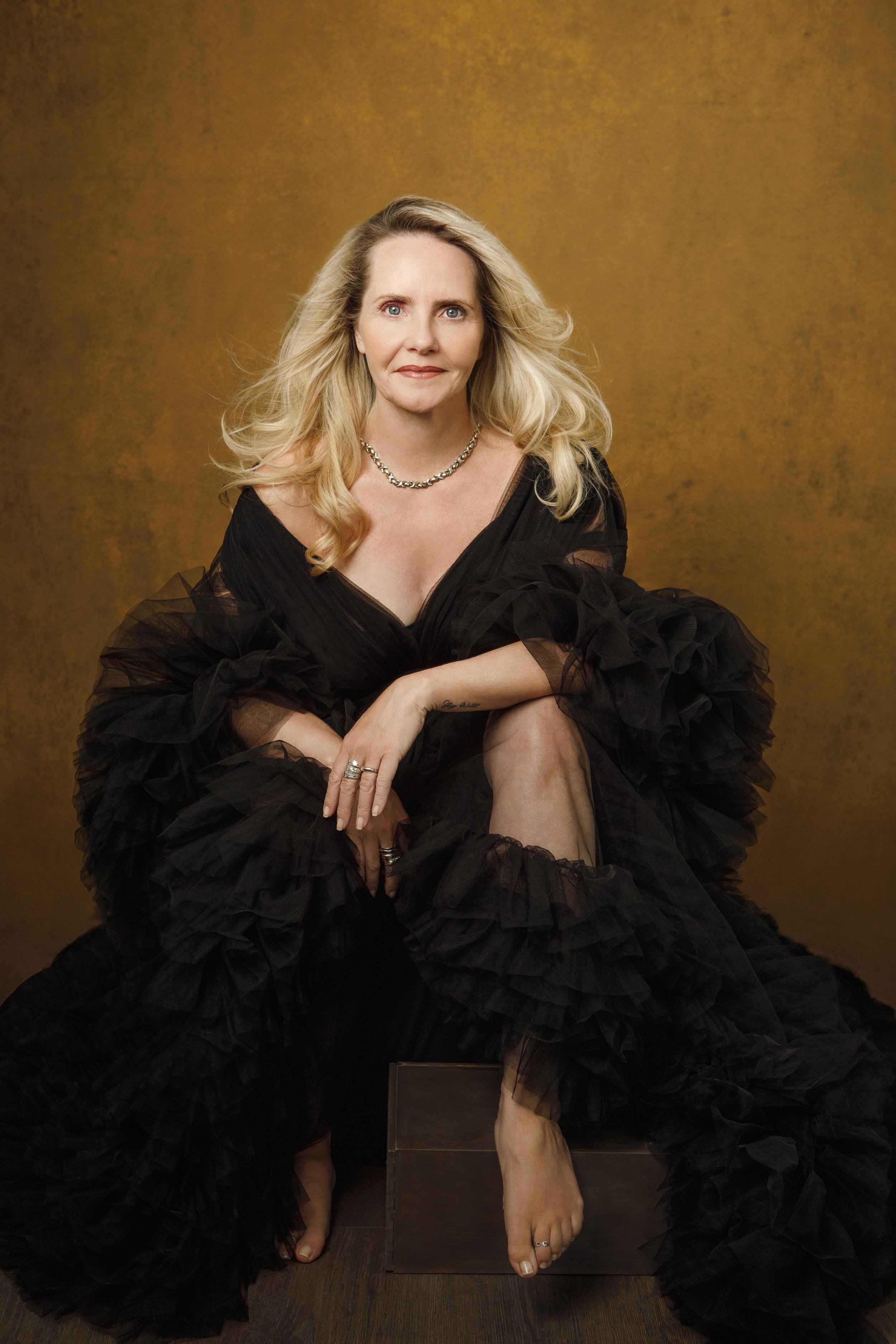
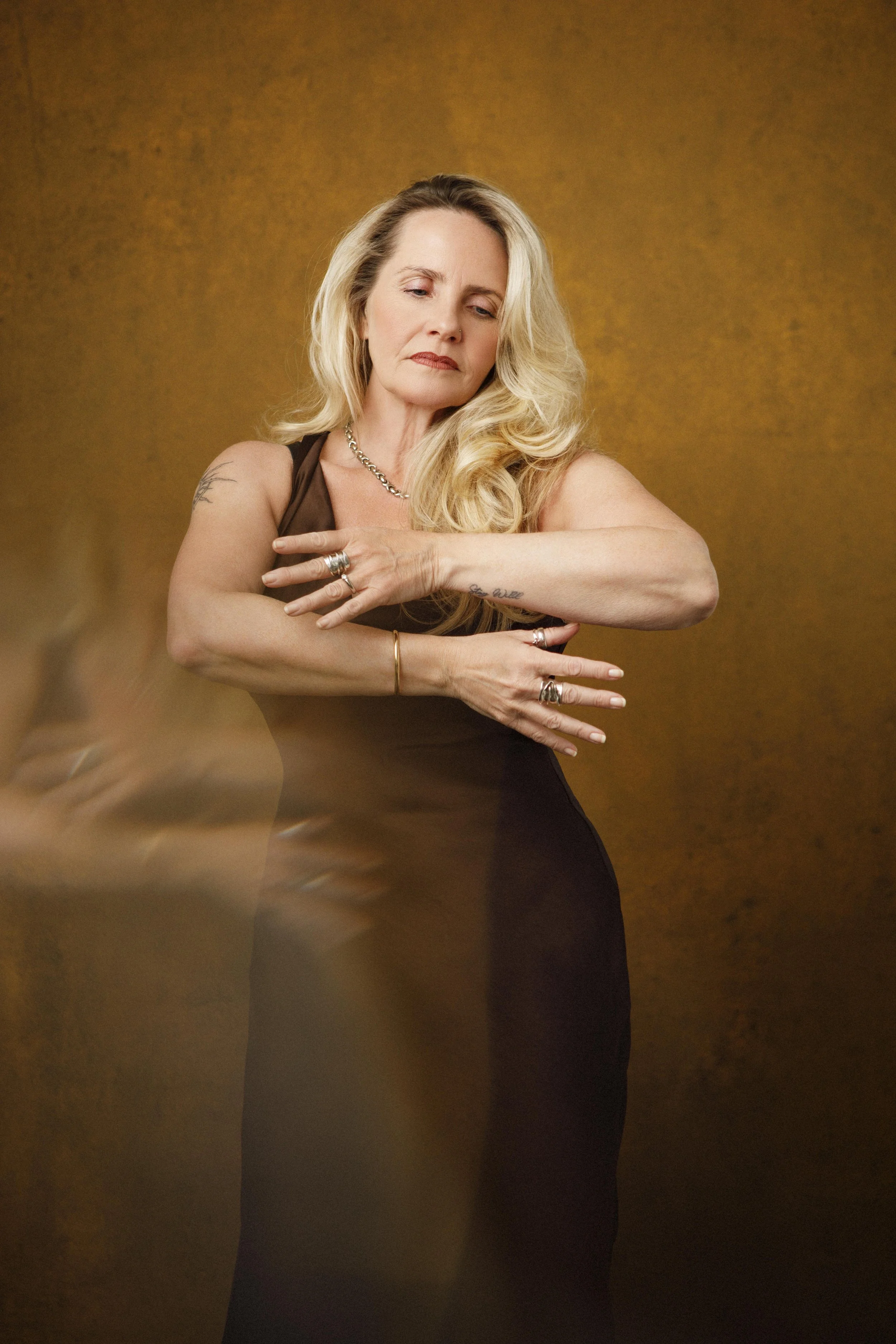
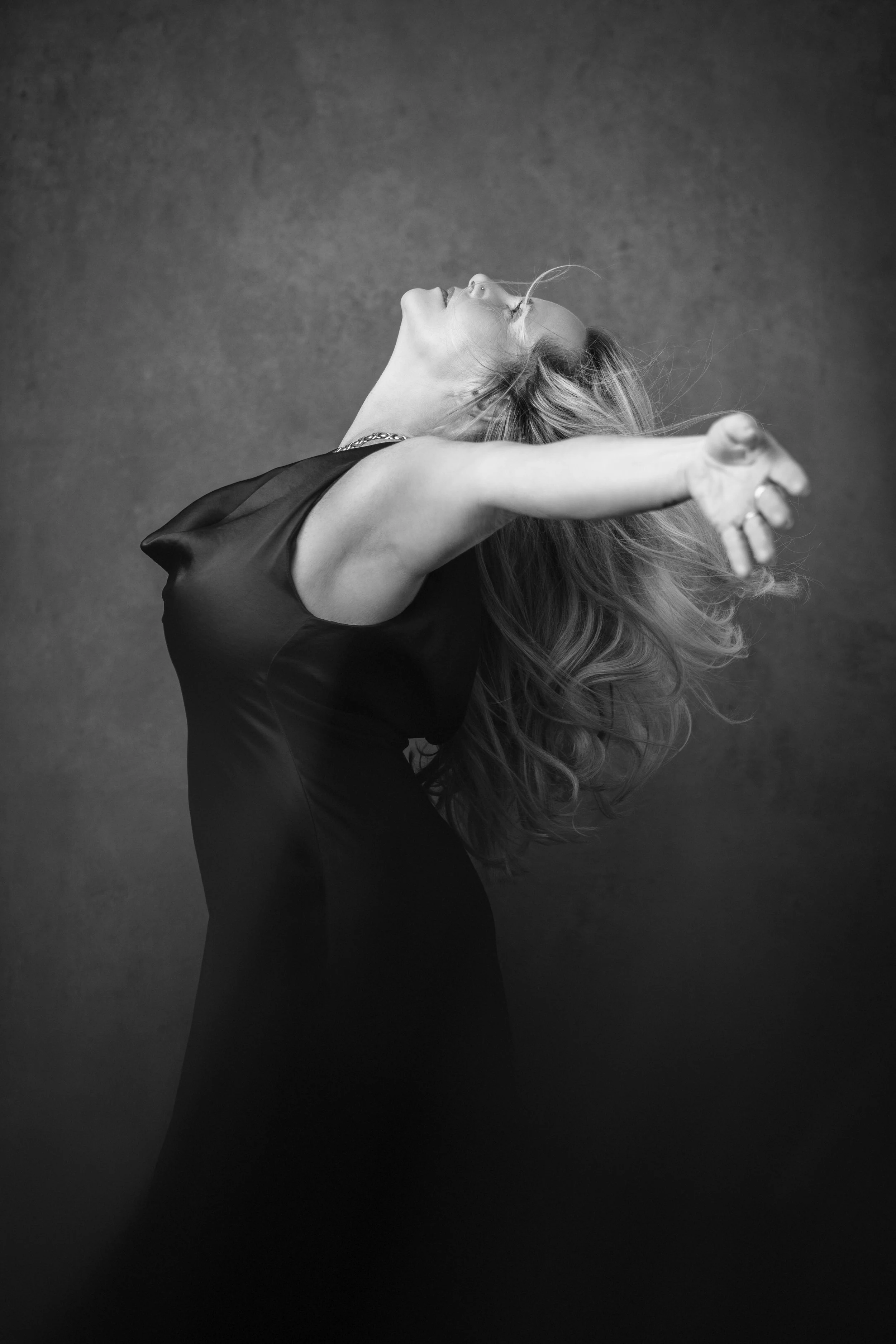
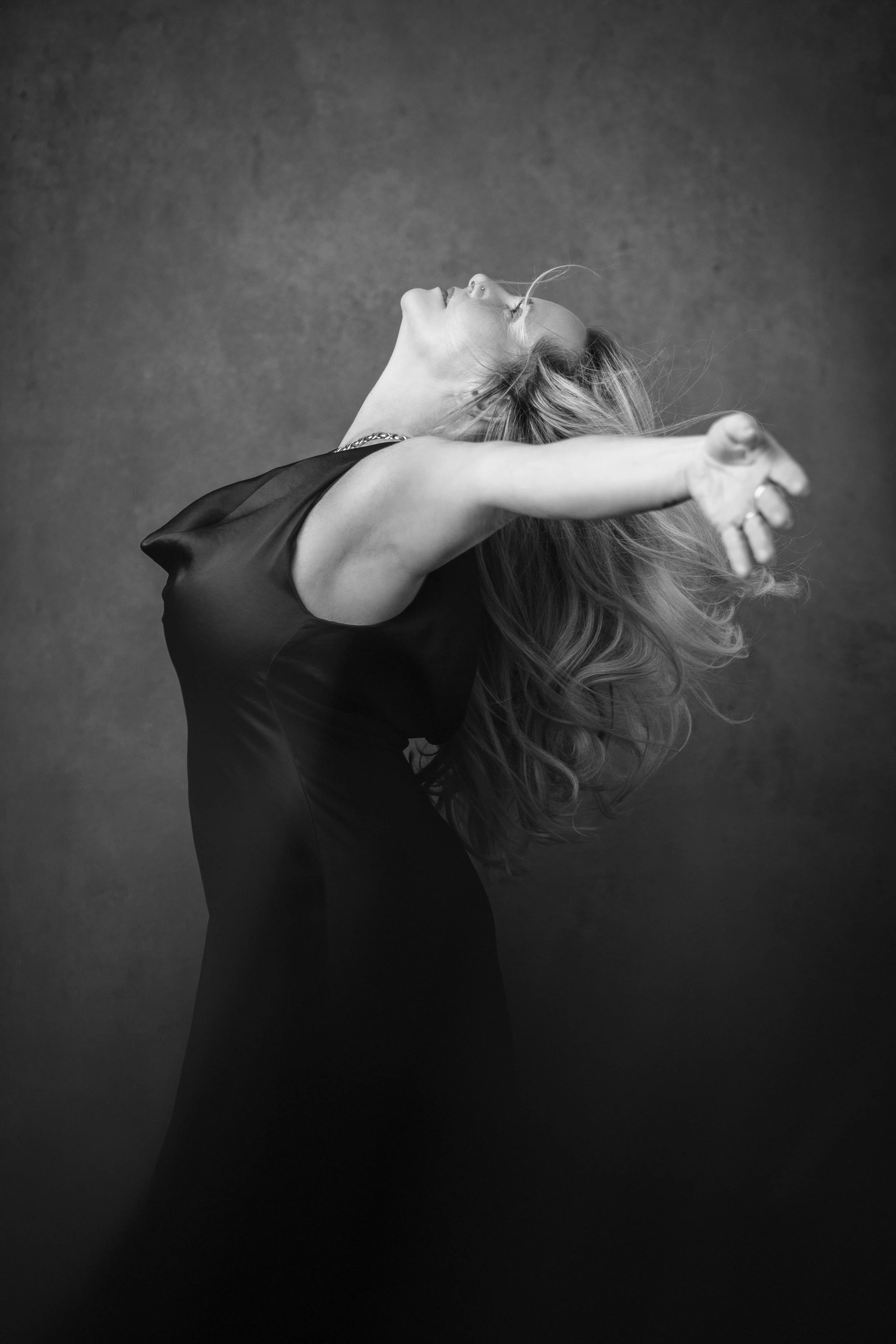
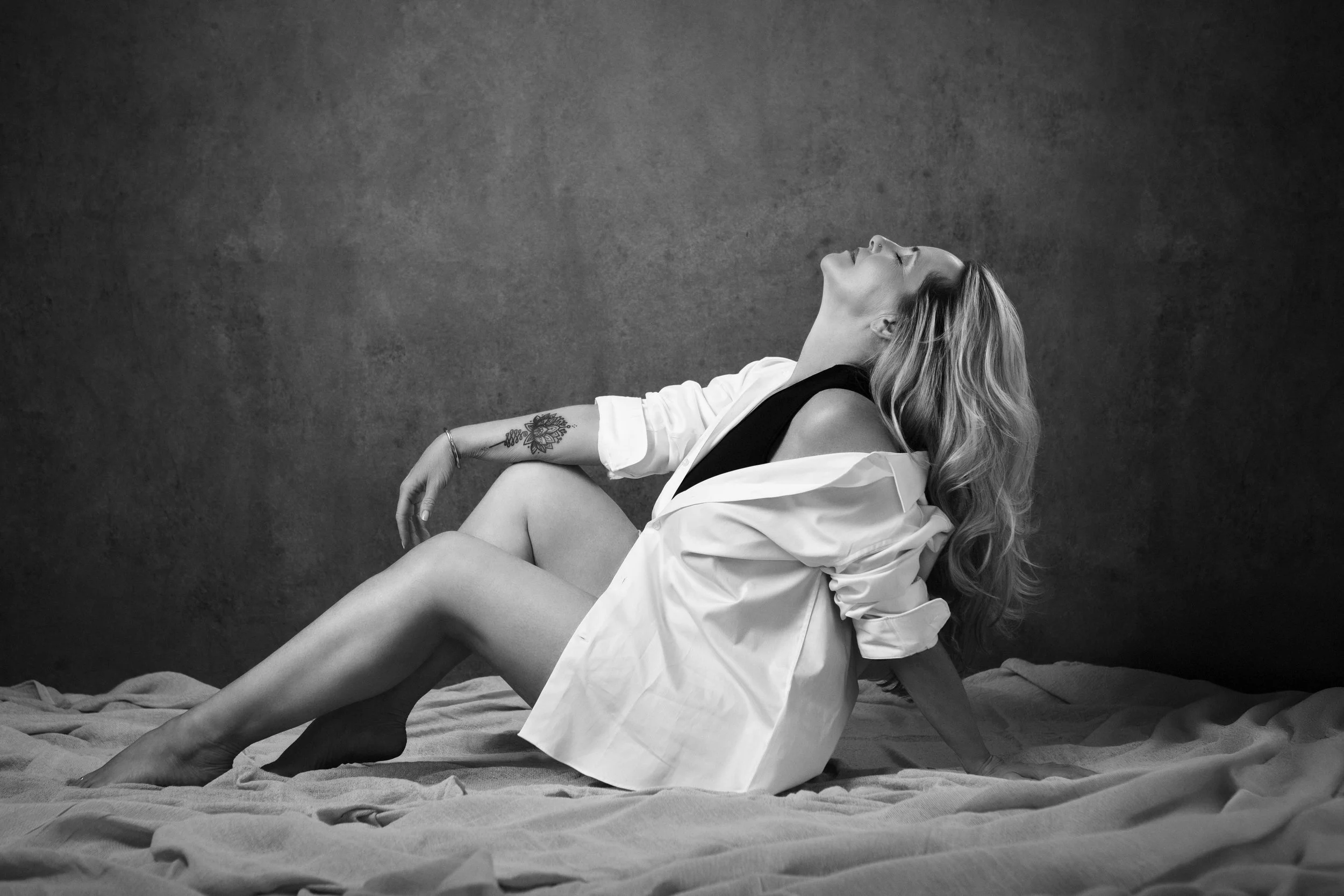
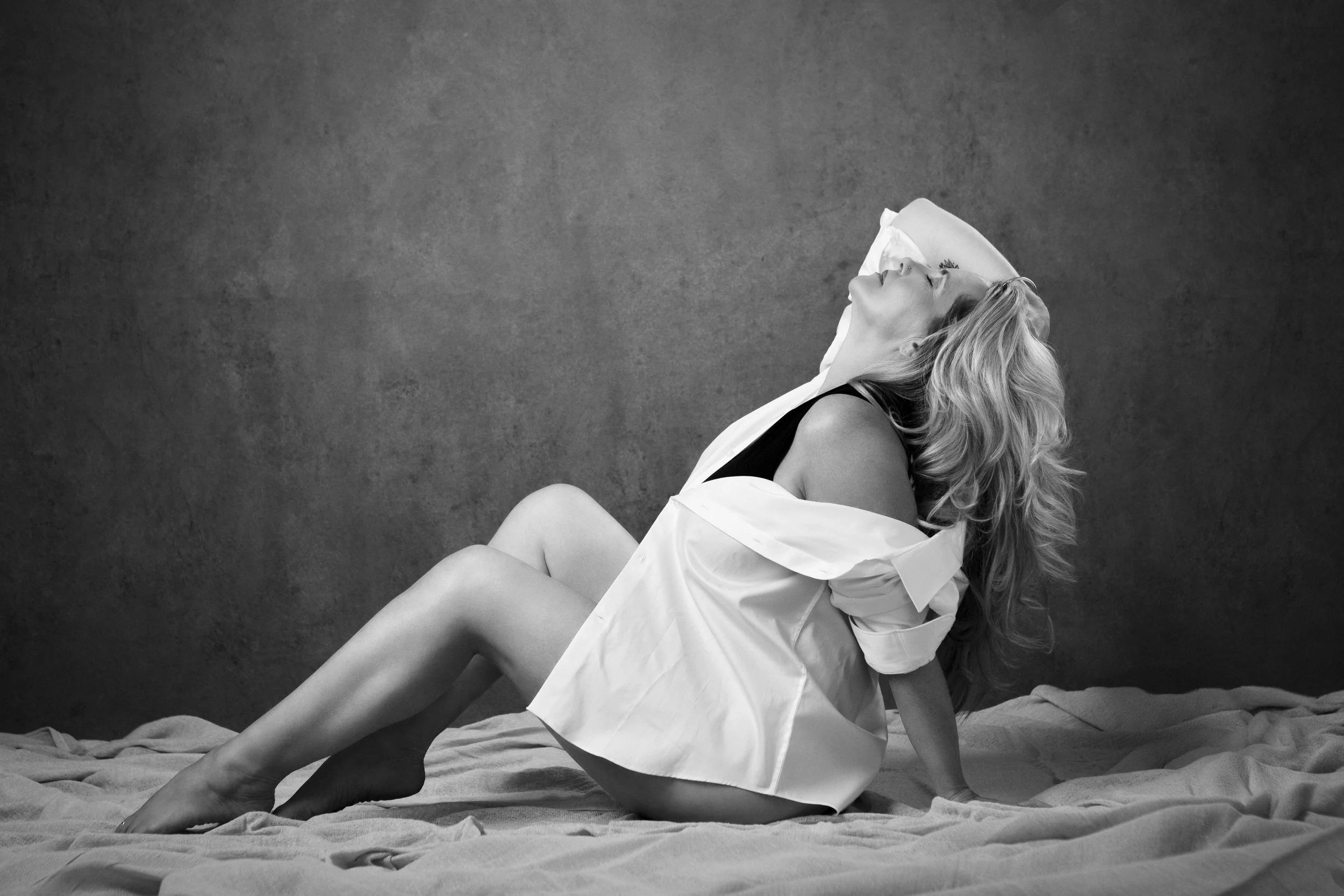
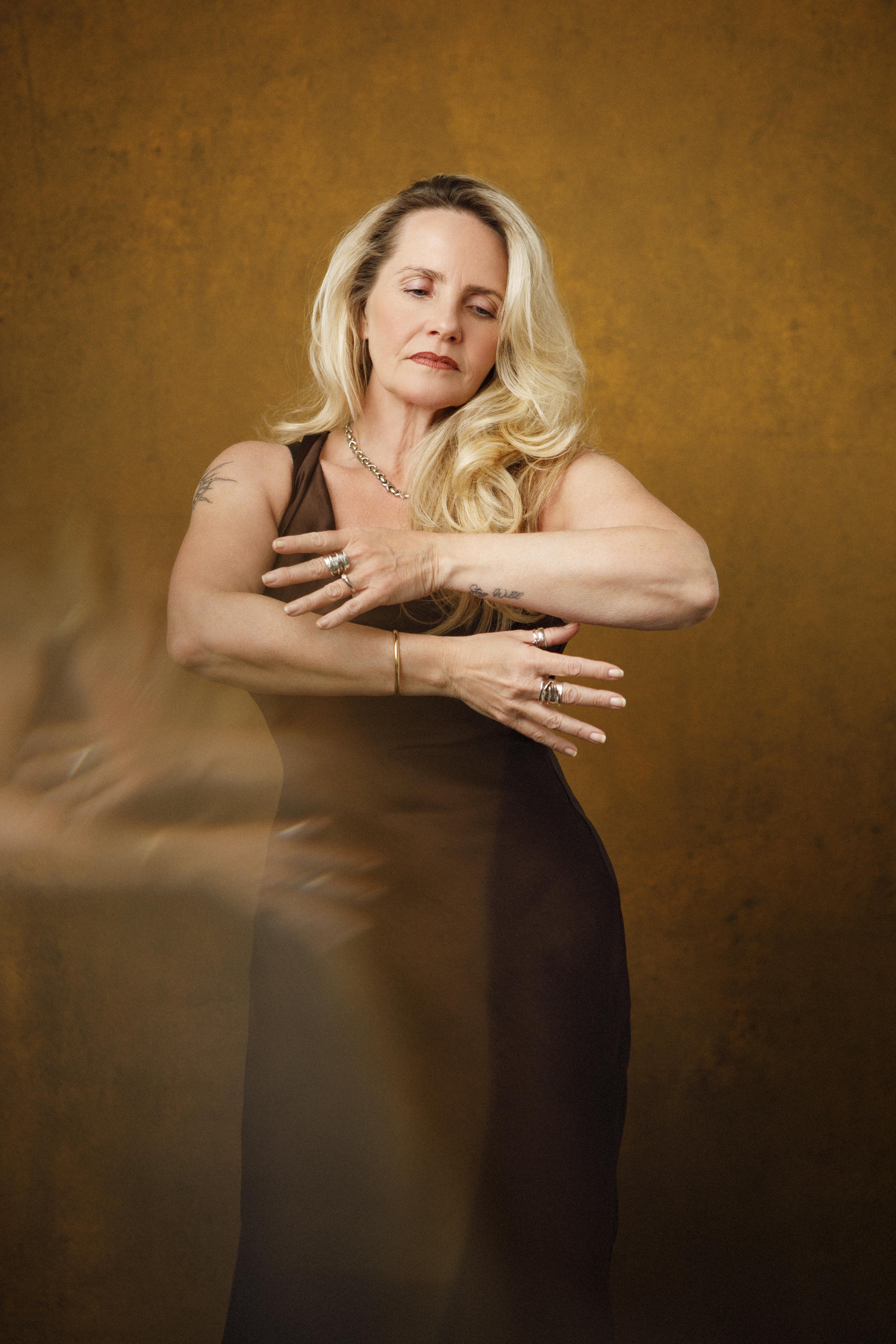
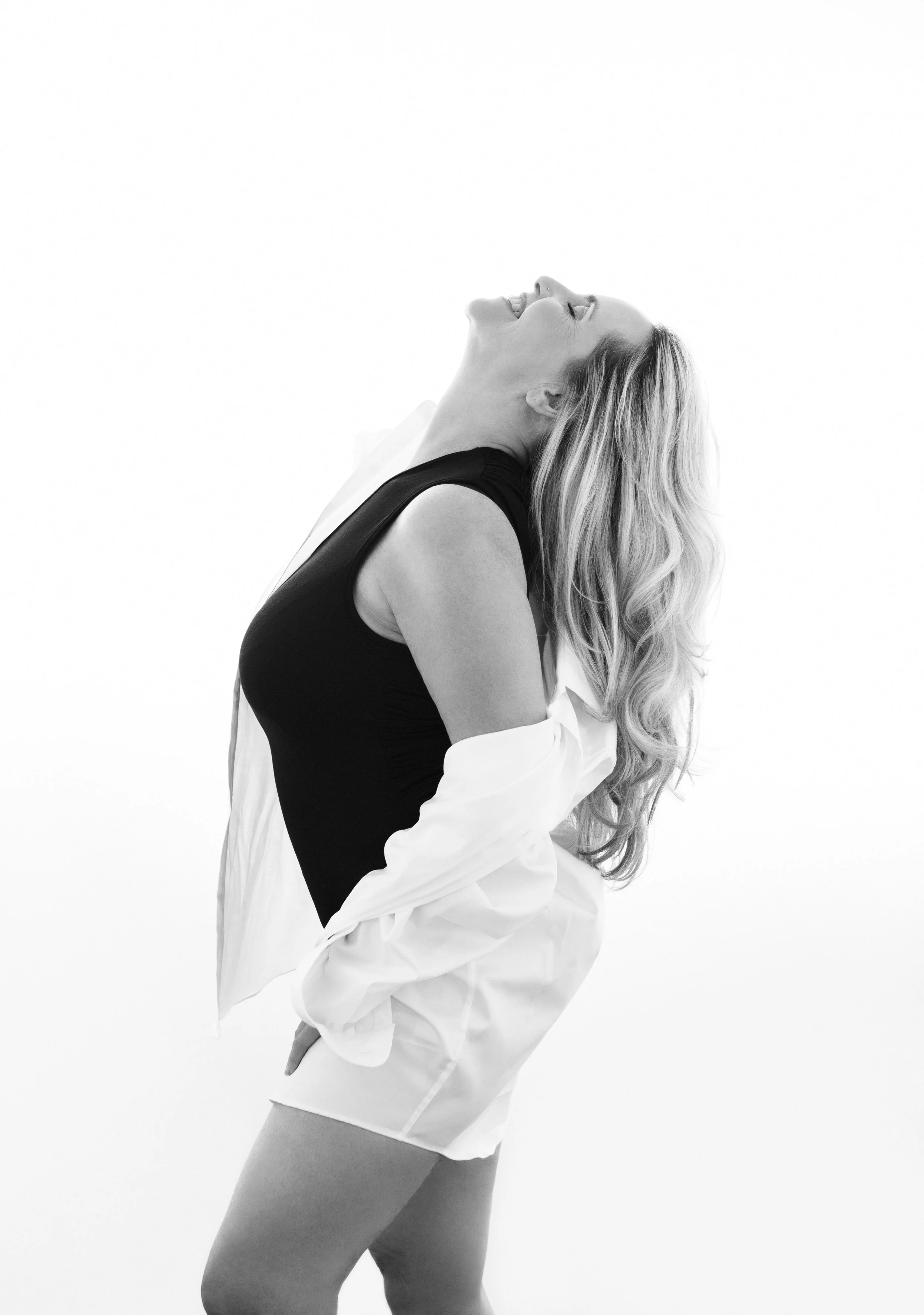
Throughout the session, I ask Vickie to move rather than hold a pose.
Dance has become such a significant part of her life that it feels more natural than standing still.
Movement has become central to both her own journey and the coaching work she is now developing.
Rather than directing every gesture, I ask her to move in the way that feels most natural to her.
She doesn't think about where to place her hands or how she should look.
She simply moves.
The portraits that follow feel effortless.
Not because they were unplanned, but because they belong to her.
The camera is no longer asking her to become someone else.
It is observing the person she already is.
Throughout the session, we pause from time to time to review the portraits together.
There are moments when a photograph appears on the screen and we both become quiet.
Not because we are searching for faults.
Quite the opposite.
We are recognising something.
It is difficult to explain exactly what.
Perhaps presence.
Perhaps honesty.
Whatever it is, we both recognise it when we see it.
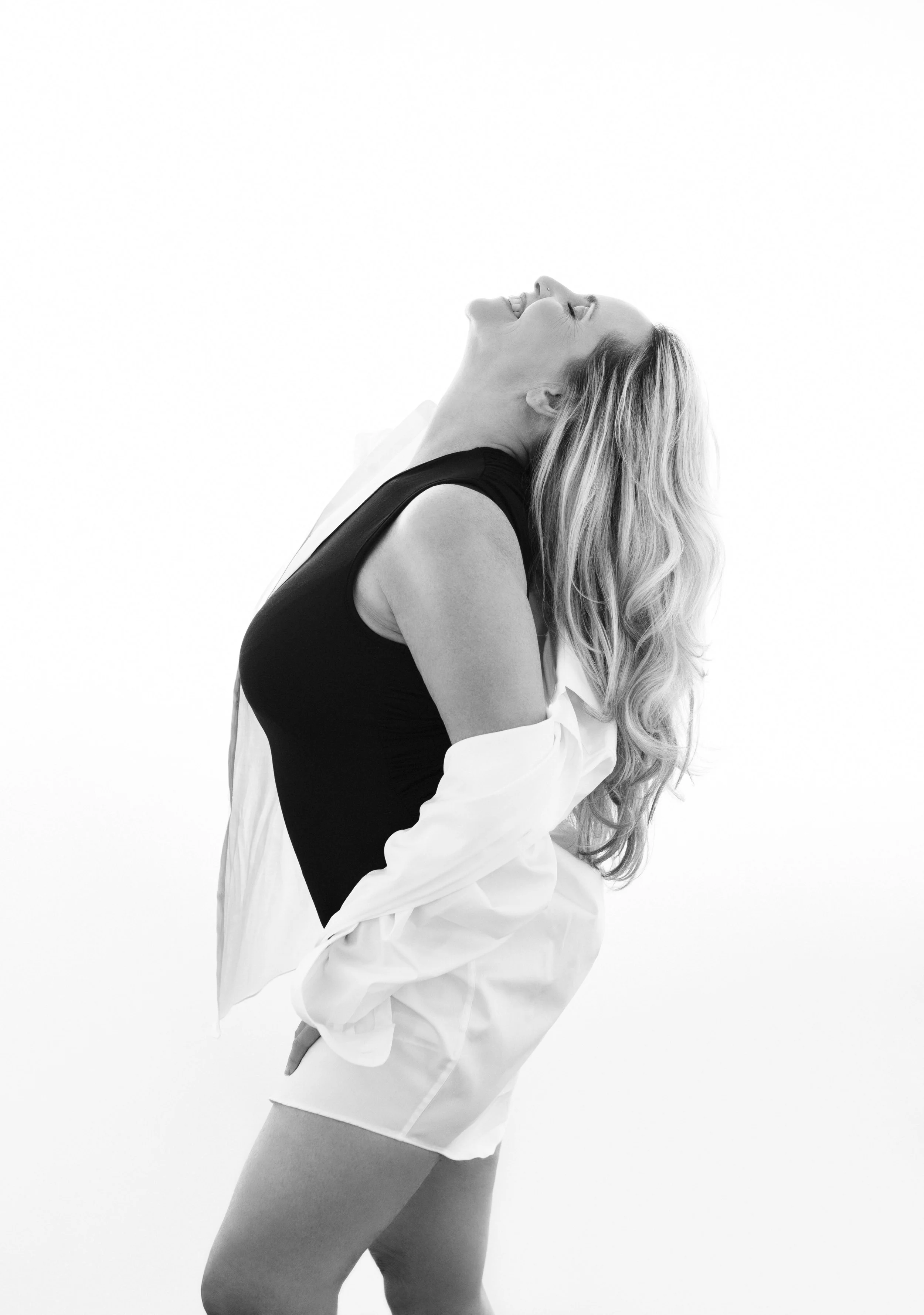
As portrait photographers, we often speak about light, lenses and composition.
What interests me far more is intention.
Long before I press the shutter, the portrait has already begun—in the care someone gives to preparing for the day, in the conversations we share, and in the trust that quietly develops between photographer and subject.
That trust cannot be directed.
It arrives gradually.
Frame by frame.
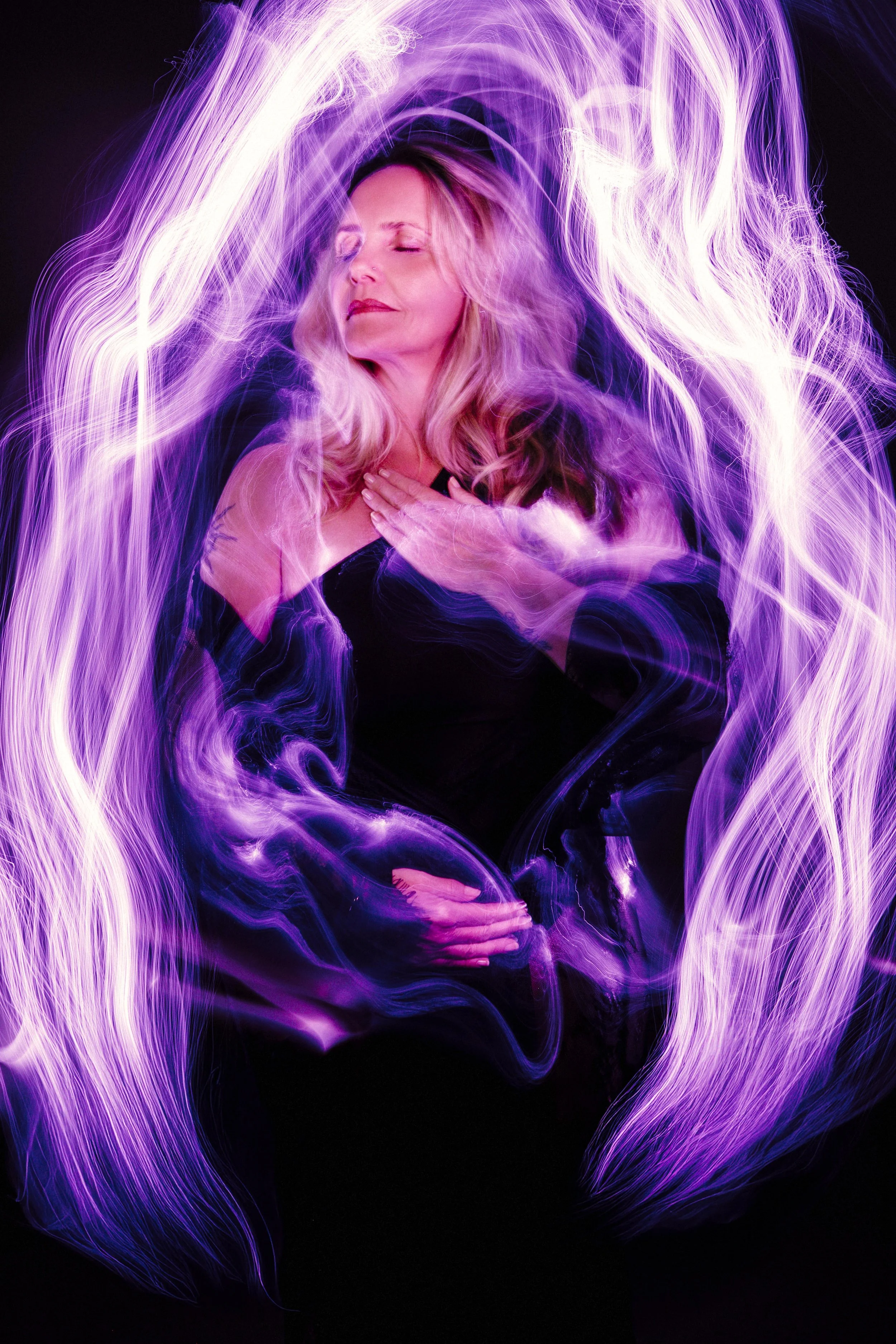
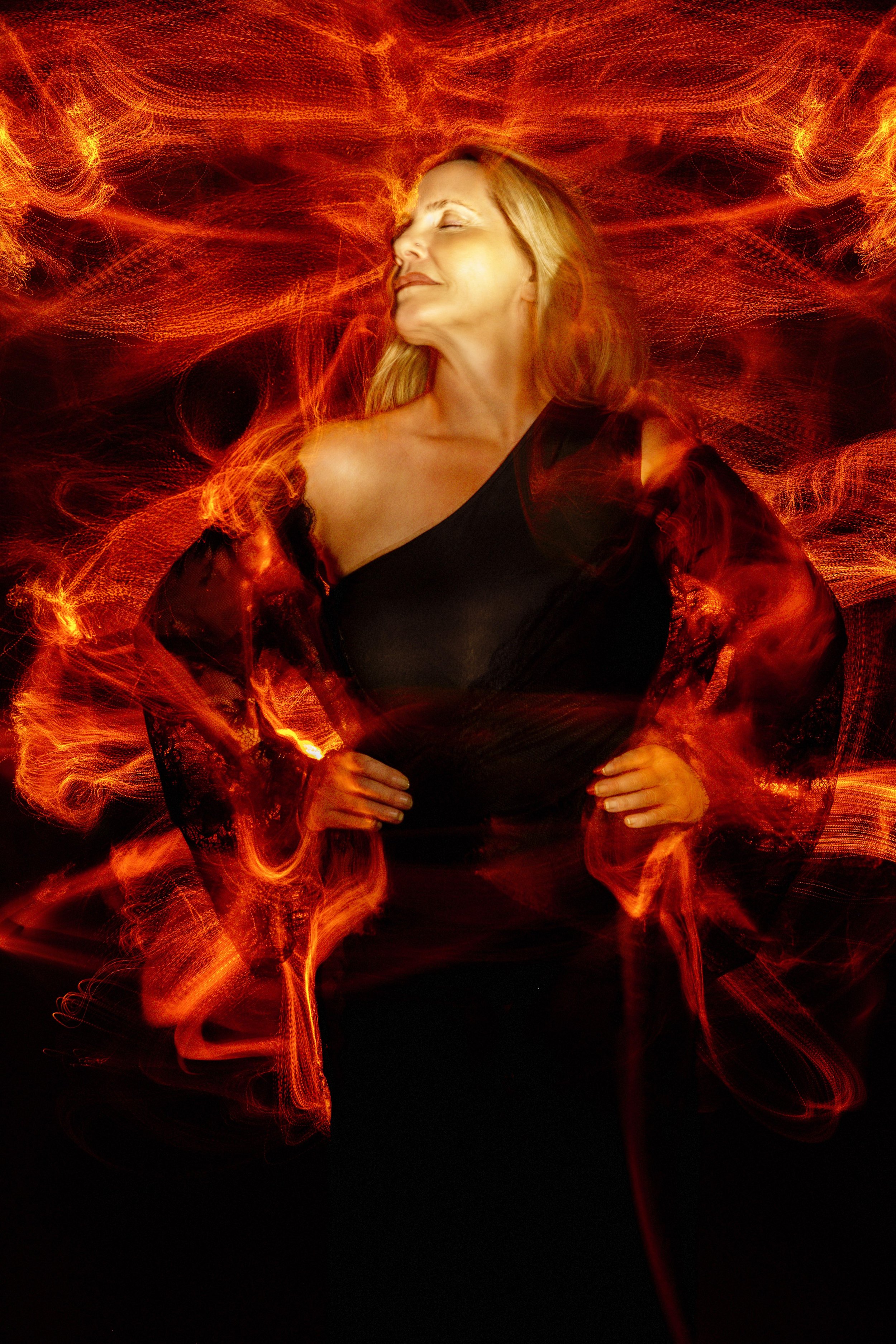
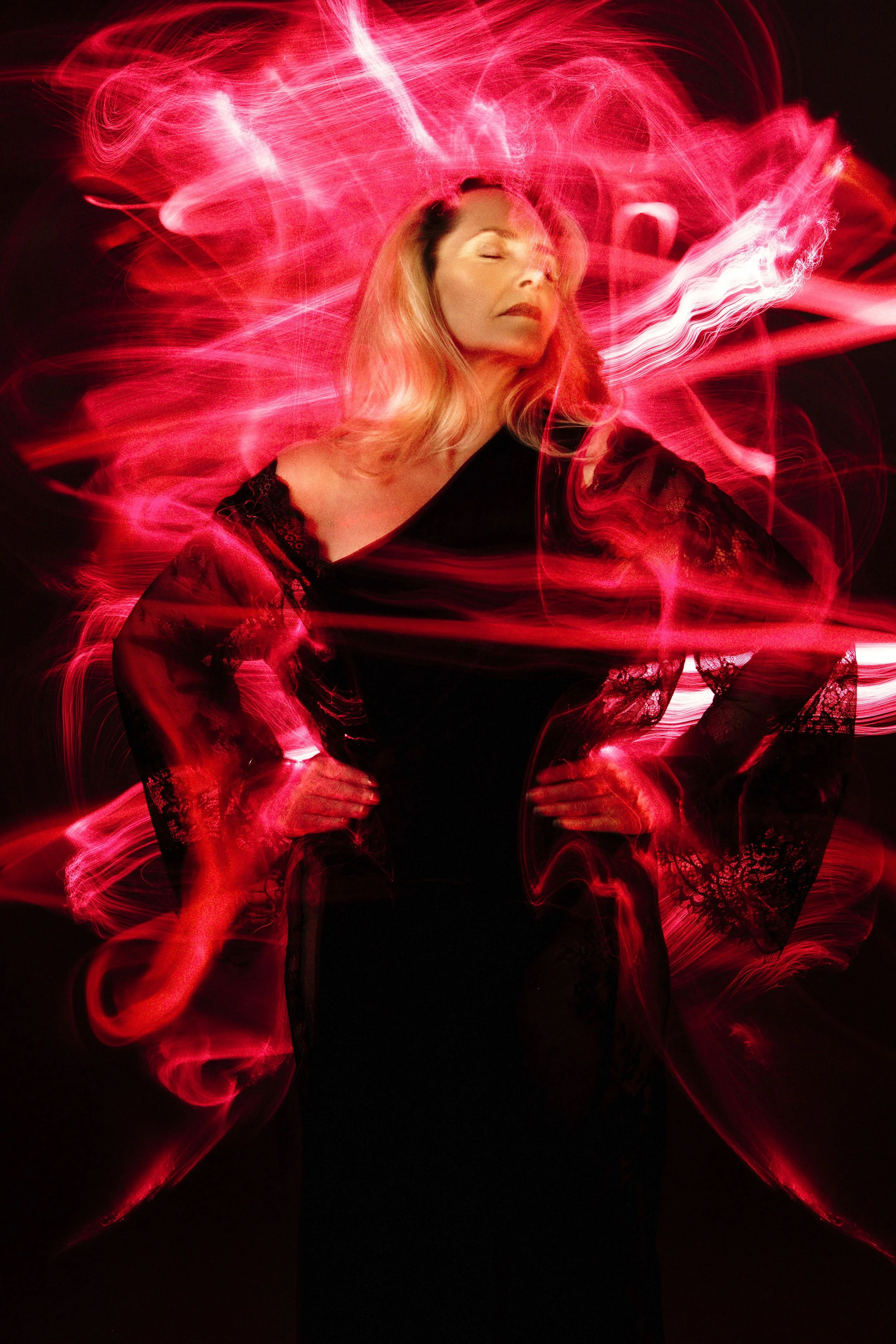
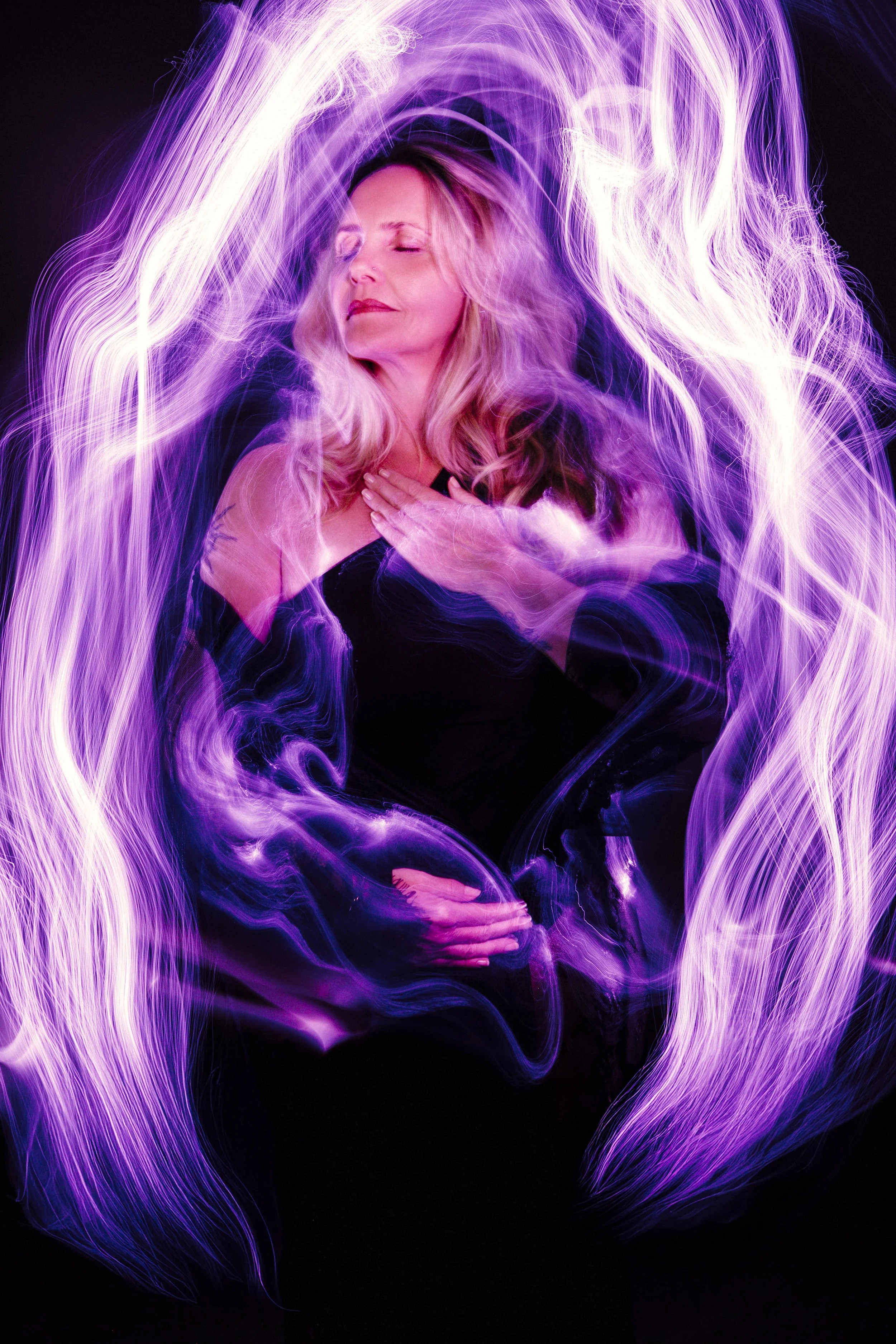
The final portraits are created using light painting.
The studio falls quiet.
The lights are switched off, leaving only darkness and the movement of light.
Amber passes first.
Then crimson.
Finally, violet.
Each colour chosen with intention.
Not to illustrate Vickie's story, but to respond to it.
They become another way of exploring what words sometimes struggle to express.
When I look back at the finished portraits, I think less about the photographs themselves and more about the time that surrounded them.
I remember the pauses before each answer.
The care with which Vickie chose her words.
The way she spoke about walking the same paths through the Pentland Hills and still finding something new to notice.
The way movement had become part of understanding herself rather than escaping herself.
There is a tendency to think that change arrives through dramatic moments.
Vickie's story suggests something different.
That sometimes the most significant transformations happen quietly.
Not all at once.
But one thoughtful step at a time.
Could This Be Your Story?
Every woman featured in SEEN arrives with her own experiences, reflections and perspective. What connects them is not what happened to them, but who they have become.
If you found something of yourself in Vickie's story and would like to learn more about taking part in a future edition of SEEN, I'd love to hear from you.